The programme is operated by the Foundation for Environmental Education (FEE) together with its national member organisations. Green Key is open to a wide range of tourism businesses: hotels and hostels, small accommodations, campsites, holiday parks, conference centres, restaurants and cafés, and attractions (museums, visitor and interpretation centres and amusement parks).
Green Key provides a structured framework to help establishments manage and improve their sustainability practices, including environmental, social, and operational aspects. Conformity with the Green Key requirements is assessed through documentation and on-site audits carried out by independent third-party auditors. The final certification decision is taken by an independent Certification Body within the certification system.
Green Key has been awarded to 8,500 establishments in 90 countries making it one of the largest international tourism ecolabels for tourism accommodation.Green Key is awarded to hotels, hostels, small accommodations, campsites, holiday parks, conference centers, restaurants and attractions worldwide.
The Green Key certification scheme is currently undergoing an approval process with DANAK, the Danish Accreditation Body, member of the International Accreditation Forum. Once certified, establishments may communicate their Green Key certification during its validity period. For guests, the Green Key certificate indicates that the establishment has been assessed against defined sustainability criteria and is working to improve its environmental and social performance.”
B. Liability notice
“When establishments are certified with Green Key, it is because these establishments have demonstrated to third-party auditors that they conform with the Green Key criteria at the time of the audit based on a representative sample of evidence. The Green Key certification is subsequently confirmed by an independent Certification Body.
During the certification period, the establishments accept full responsibility to ensure continued conformity with the Green Key requirements.
The Foundation for Environmental Education (FEE), its officers, members, or partners do not have any responsibility to any person in the event of non-conformities with the Green Key criteria in a certified establishment. FEE excludes liability for all such matters to the fullest extent permitted by law.”
Green Key Criteria from October 2026
This page will guide you through the key documents and help you understand:
STEP 1: Identify your establishment category
Green Key criteria have been developed for the following six categories:
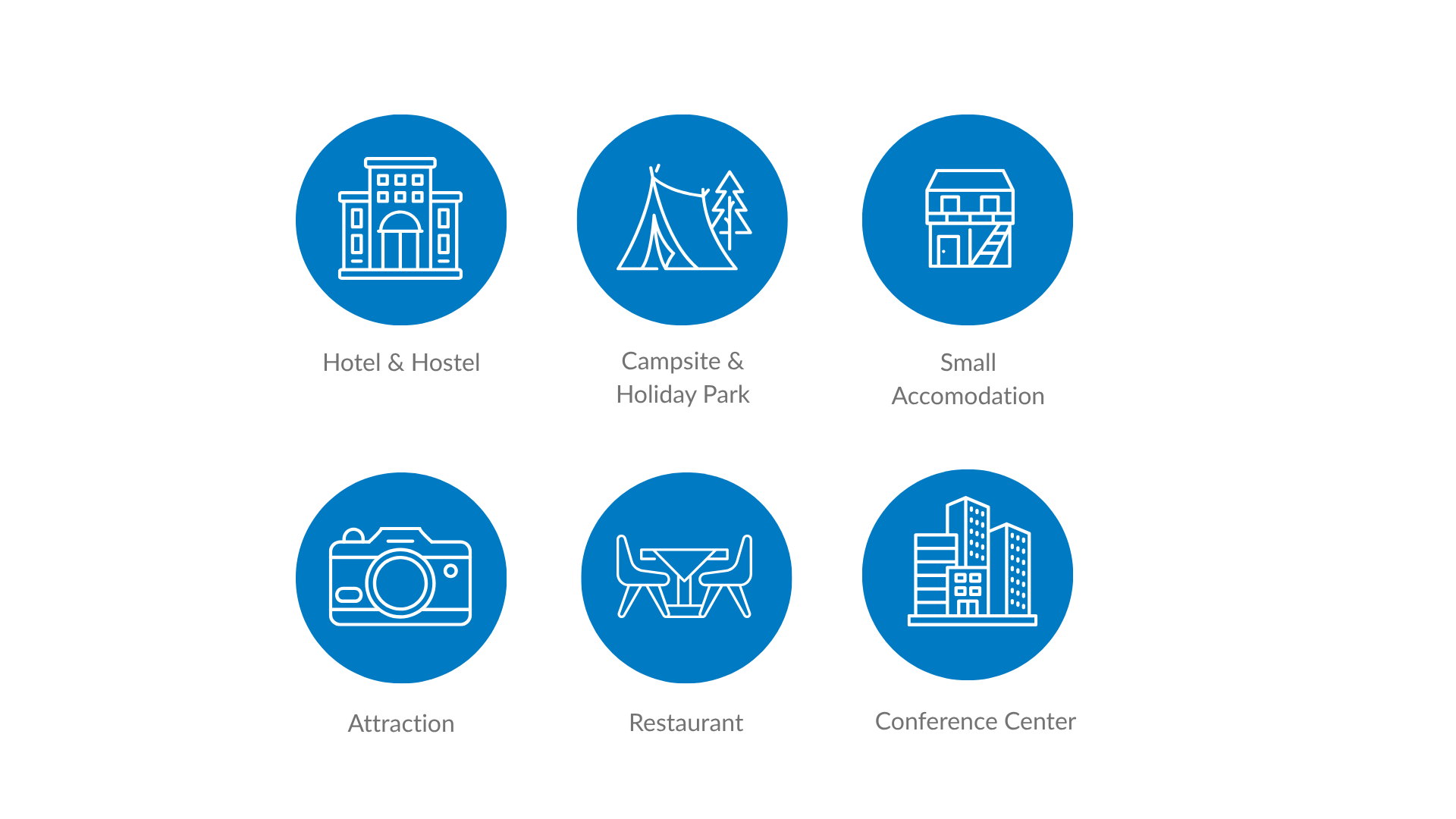
To determine which category your establishment should apply under, you should first review the definition of the Green Key establishment categories.
These definitions explain the type of operations, services, and facilities that fall under each category.
In most cases, an establishment will apply under one main category, which reflects their primary activity and core service offer. However, some establishments may also operate services that fall under additional Green Key categories, for example, a conference centre with an internally managed restaurant. In such cases, the establishment will apply under the main category, while additional criteria from other relevant categories apply.
Download the definition of establishments eligible in each category here: Category Definitions
STEP 2: Review the Green Key Criteria
The Green Key criteria and their explanatory notes for the period 1 October 2026 – 31 December 2031 have been developed for the six Green Key categories and cover the following 7 criteria areas.
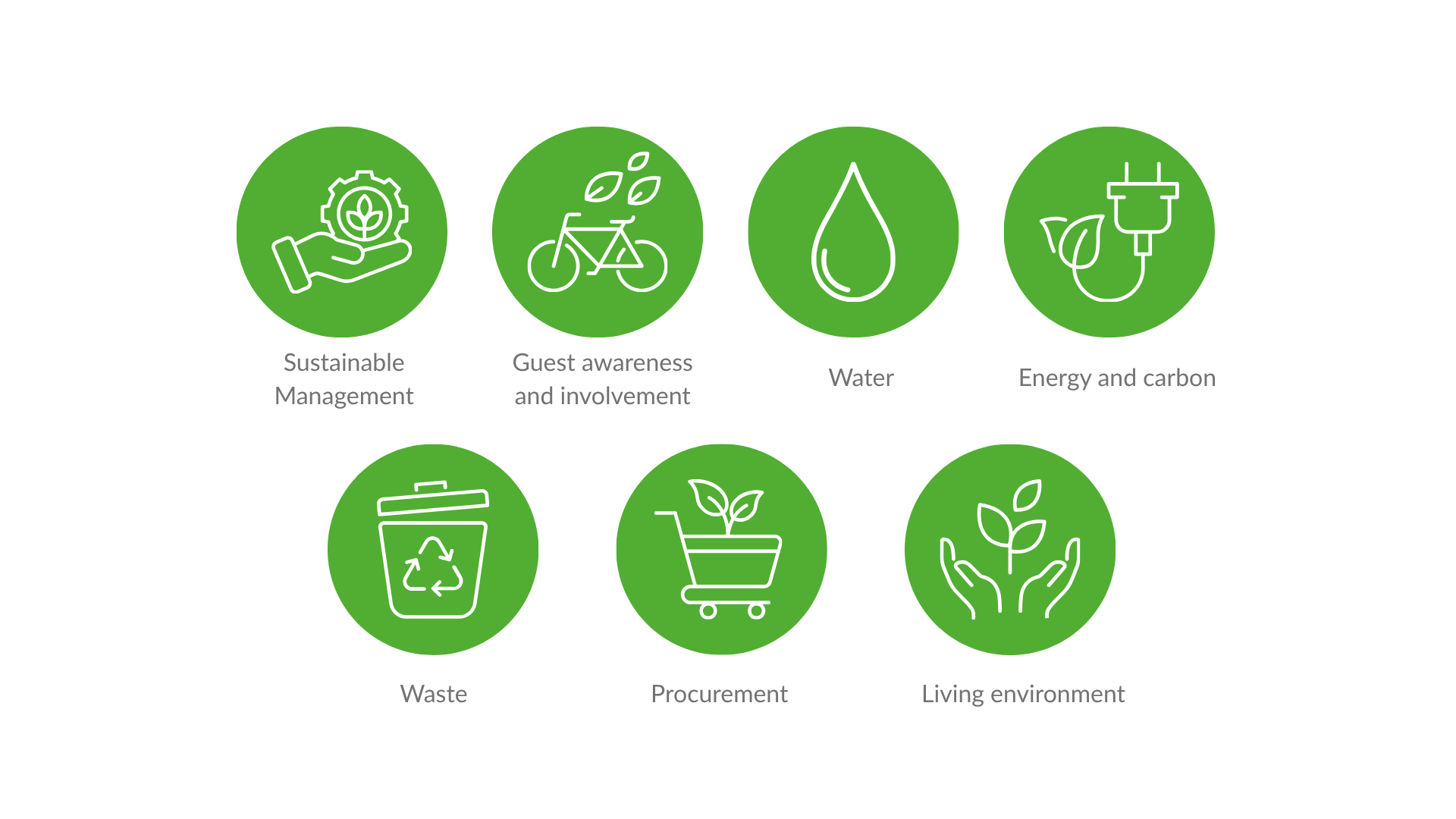
The criteria describe what your establishment must do in order to receive Green Key certification. The explanatory notes provide additional guidance on how each criterion should be interpreted.
You can download PDF files for the criteria and explanatory notes below.
Criteria and explanatory notes 2026-2031 for the different categories